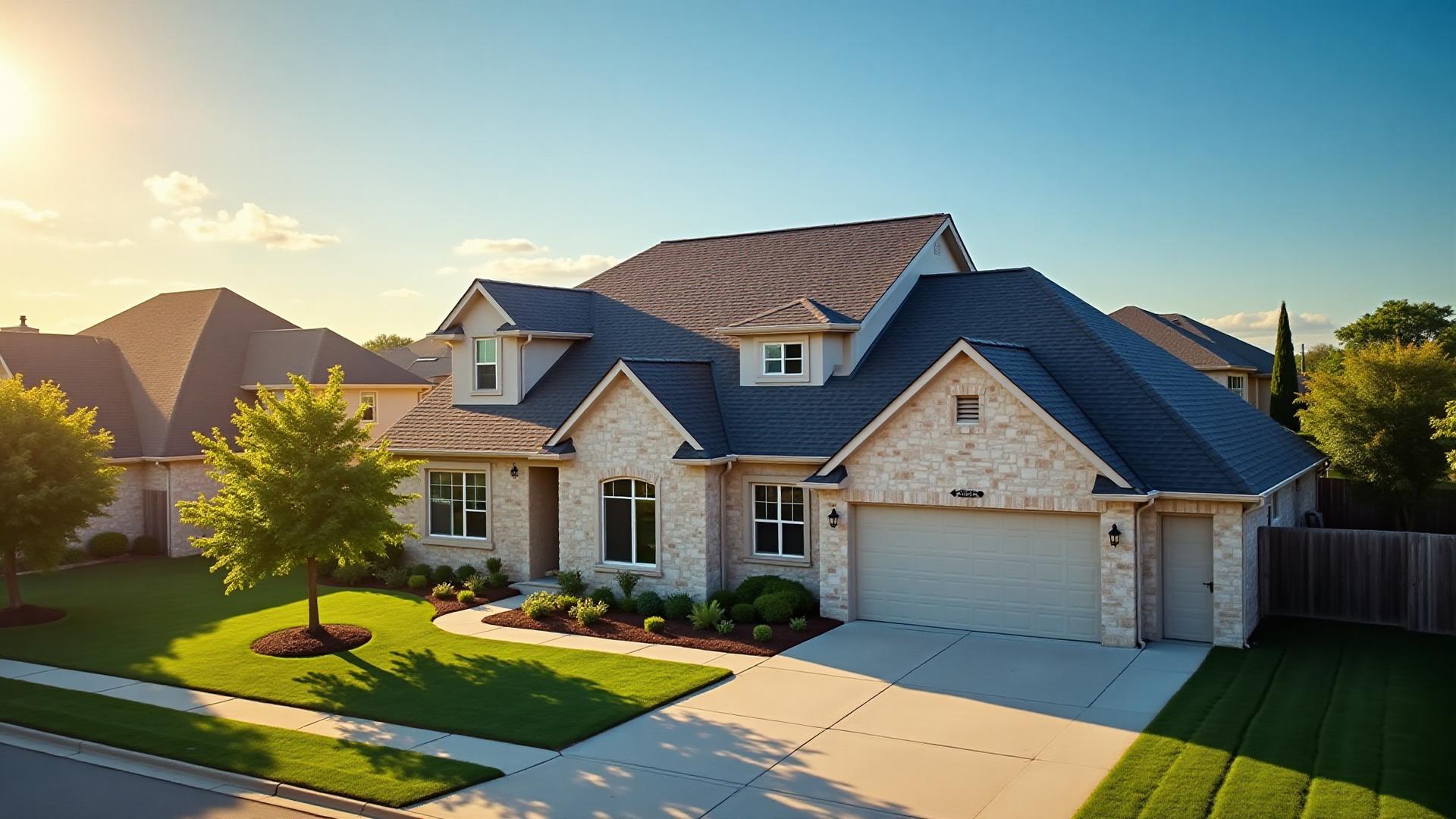
Your Home's First Line of Defense
Roof
Your roof protects everything beneath it from weather, moisture, and temperature extremes. Understanding your roofing system helps you maintain it properly and make informed decisions about repairs and replacement.
- Expert roofing knowledge
- All materials & systems
- Repair & replacement services
- Free inspections available
What Is a Roof?
A roof is the uppermost covering of a building, designed to protect the interior from weather elements including rain, snow, wind, heat, and cold. Modern roofing systems consist of multiple layers working together: structural decking, water-resistant underlayment, the outer covering (shingles, metal, tile), and components like flashing, ventilation, and gutters. A properly installed and maintained roof safeguards your home's structure, improves energy efficiency, and maintains property value.
Anatomy of a Roof
Understanding your roof's components helps you communicate with contractors and recognize potential problems. Here are the key elements:
Roof Decking
The structural foundation of your roof, typically plywood or OSB sheets attached to the rafters. Everything else is installed on top of the decking.
Underlayment
A water-resistant or waterproof barrier installed over the decking. Synthetic underlayments offer superior protection compared to traditional felt paper.
Roof Covering
The outermost layer—shingles, metal panels, tiles, or membrane. This is what you see and what takes the brunt of weather exposure.
Flashing
Metal pieces installed at joints, valleys, and around penetrations (chimneys, vents, skylights) to direct water away from vulnerable areas.
Ventilation
Ridge vents, soffit vents, and other components that allow air to circulate through the attic, preventing moisture buildup and heat damage.
Gutters & Downspouts
Channels that collect rainwater from the roof edge and direct it away from your foundation, preventing erosion and water damage.
Common Roofing Materials
Each roofing material offers different benefits in terms of cost, durability, appearance, and performance. Here's what you should know:
Asphalt Shingles
The most popular residential roofing material in America, offering excellent value and versatility. Available in 3-tab and architectural (dimensional) styles.
- 20-30+ year lifespan
- Wide color selection
- Affordable installation
- Easy to repair
Metal Roofing
Increasingly popular for its durability, energy efficiency, and modern appearance. Available in standing seam, metal shingle, and corrugated styles.
- 40-70+ year lifespan
- Excellent storm resistance
- Energy efficient
- Low maintenance
Tile Roofing
Classic and elegant, tile roofing offers exceptional durability and a distinctive appearance. Available in clay, concrete, and synthetic options.
- 50-100+ year lifespan
- Fire resistant
- Timeless aesthetics
- Withstands extreme heat
Flat Roofing Systems
Designed for low-slope commercial and some residential applications. Options include TPO, EPDM, modified bitumen, and built-up roofing.
- 15-30 year lifespan
- Cost effective
- Accessible for maintenance
- Suitable for HVAC units
How Your Roof Protects Your Home
A quality roof does much more than keep rain out. Here's how your roofing system protects your investment:
Weather Protection
Shields your home from rain, hail, wind, and debris. Properly installed roofing prevents water intrusion that causes structural damage, mold, and rot.
Temperature Regulation
Quality roofing materials and proper ventilation help maintain comfortable indoor temperatures and reduce heating/cooling costs.
Structural Integrity
Prevents water damage to rafters, walls, and ceilings. A compromised roof can lead to costly structural repairs throughout your home.
Energy Efficiency
Reflective materials, proper insulation, and adequate ventilation work together to reduce energy consumption and lower utility bills.
Essential Roof Maintenance
Regular maintenance extends your roof's lifespan and helps you catch problems early. Here's what every homeowner should do:
Annual Inspections
Have a professional inspect your roof at least once a year and after major storms. They'll identify problems you can't see from the ground.
Clean Gutters Regularly
Clogged gutters cause water to back up under shingles and damage fascia boards. Clean them at least twice a year, more if you have overhanging trees.
Trim Overhanging Branches
Branches that touch your roof can damage shingles and drop debris that retains moisture. Keep trees trimmed back 6-10 feet from your roof.
Address Issues Promptly
Small problems become big (expensive) problems. If you notice missing shingles, water stains, or other signs of damage, call a roofer promptly.
When to Call a Professional Roofer
While some maintenance tasks are DIY-friendly, these situations require professional expertise:
Emergency Situations
- Active leak into your living space
- Large sections of roofing blown off
- Tree or debris impact on roof
- Visible structural sagging
Scheduled Service Needed
- Roof is 15-20+ years old
- Multiple missing or damaged shingles
- Granules filling your gutters
- Water stains on ceiling or walls
Not sure about your roof's condition? Galvan Roofing offers free inspections to assess your roof and recommend the best course of action.
Roof Services Throughout Houston
Galvan Roofing provides professional roofing services across the Greater Houston area:
Don't see your area? Get started – we likely serve your neighborhood too!
Frequently Asked Questions About Roofs
Frequently Asked Questions
Explore Our Roofing Services
Questions About Your Roof?
Contact Galvan Roofing for a free inspection and expert advice. We'll help you understand your roof's condition and options.
Schedule Your Free Roof Inspection
Answer a few quick questions and we'll contact you to schedule your complimentary inspection.